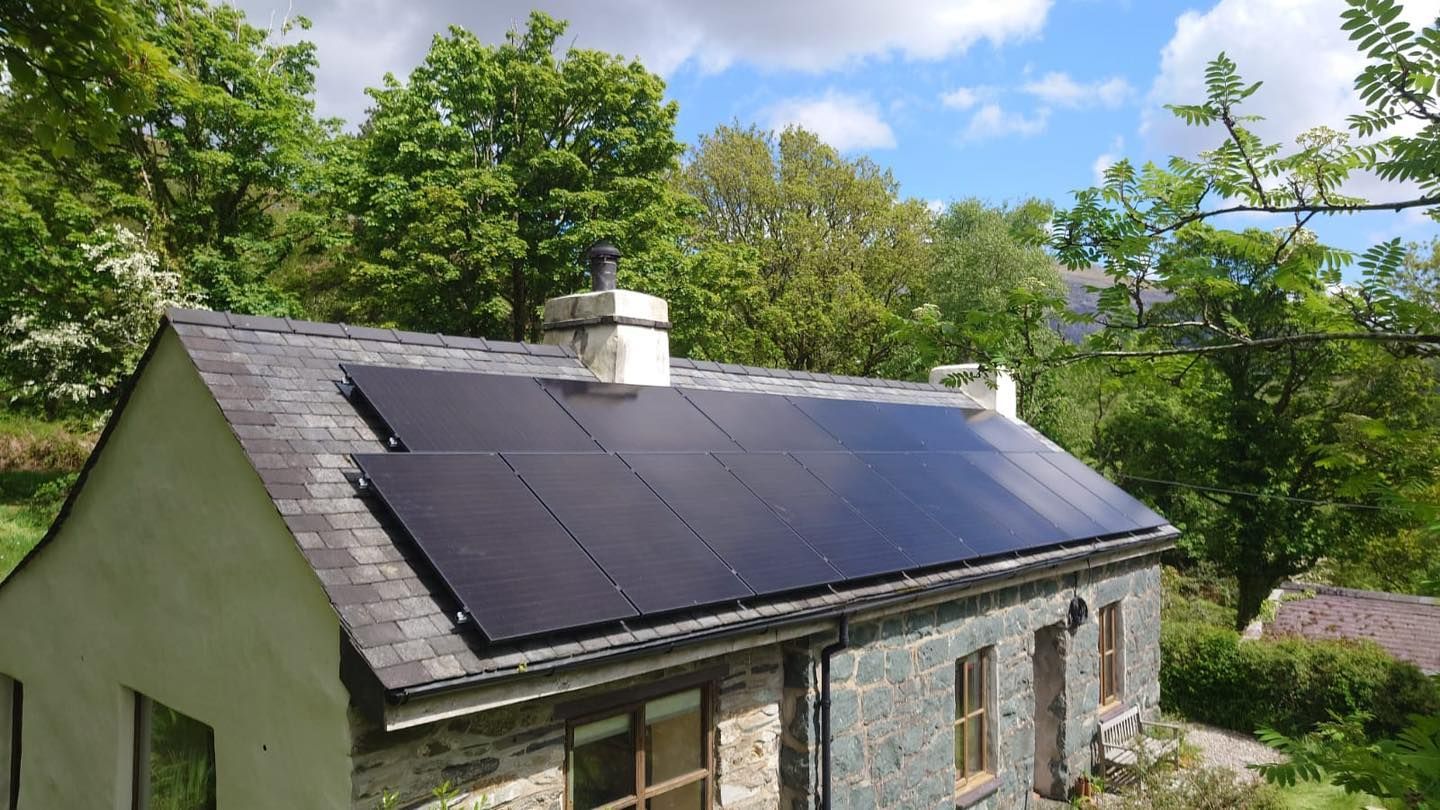
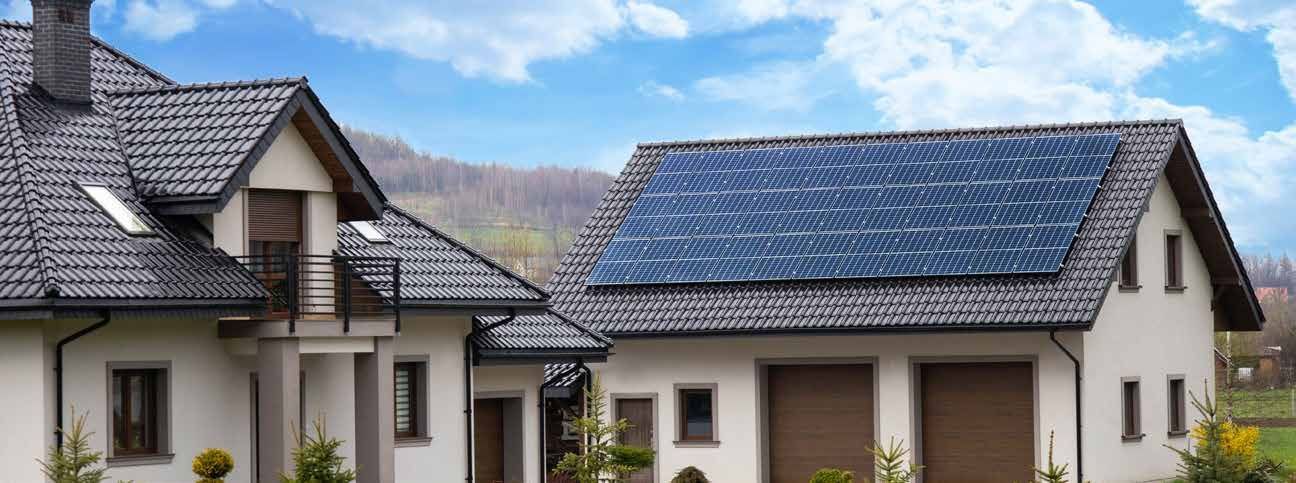
In March 2026, solar energy in the UK crossed two significant milestones at once: total installed solar capacity passed 22.1 GW, and the country surpassed 2 million solar installations for the first time. In a single month, 27,607 new systems went live, the highest monthly growth figure recorded since 2012. This is not an abstract policy achievement. Deployment has accelerated across many regions, including Wales and the North West, and it is happening on rooftops right now.
The mainstream momentum is real, but so is the noise surrounding it. Between shifting grant deadlines, a crowded installer market, and a wide range of system costs, it can be genuinely difficult to know where to start. That is why Carbon Zero Renewables conducts every assessment on-site rather than generating instant quotes from a postcode, because the specifics of your roof, your energy habits, and your location matter more than any national average.
By the time you finish reading this article, you will know the state of the UK solar market in 2026, what incentives are currently available and when they expire, what a realistic system should cost you, and exactly what to look for in an installer. That is enough to walk into your first conversation fully informed.
Solar energy in the UK: how far things have come in 2026
The numbers behind the solar boom
The UK's 22.1 GW of installed solar capacity represents an 11.7% year-on-year increase from March 2025, adding 2.3 GW of new capacity in the past twelve months alone. Solar generation hit an all-time high of 15,420 MW on 23 April 2026. These are not isolated data points. They reflect a market that has scaled rapidly, with industry forecasts predicting further strong growth in UK solar through 2026.
What makes these figures meaningful for homeowners is the infrastructure shift behind them. More accredited installers, broader financing options, and more mature supply chains mean that getting solar on your roof has become considerably more straightforward than it was even three years ago. The technology is proven, costs have come down substantially, and the financial case is no longer marginal for most properties.
What the government's solar roadmap means in practice
The UK Government's Solar Roadmap targets 45 to 47 GW of operational solar capacity by 2030, rising to 70 GW by 2035 under the Clean Power 2030 agenda. These targets are backed by more than 70 specific policy actions. Contracts for Difference durations have been extended from 15 to 20 years, providing long-term revenue certainty for larger installations. Planning reform has updated the National Planning Policy Framework to give significant weight to renewables, while grid connection processes are being streamlined to reduce delays.
For homeowners, the practical takeaway is straightforward: government policy is creating a stable, long-term backdrop for solar investment. The direction of travel is clear, and the support structures being put in place make 2026 a particularly strong moment to act.
Grants, incentives, and export payments for UK solar in 2026
VAT relief, ECO4, and the Warm Homes schemes
Several incentives are available right now, and some carry deadlines that make timing important. The 0% VAT rate on solar panels and battery storage is one of the most accessible, reducing your upfront cost by 20% with no application required. This rate runs until 31 March 2027, but it is worth factoring into your decision now rather than assuming it will be extended. ECO4 is more urgent: it can fund up to 100% of installation costs for eligible low-income households, but the scheme closes on 31 December 2026. If you think you might qualify, the time to apply is now.
The Warm Homes: Local Grant offers up to £15,000 for households with an EPC rating of D to G in England. Welsh homeowners have additional options through the NEST scheme for lower-income households, and the Green Homes Wales zero-interest loan of up to £25,000, which runs until March 2027. These Welsh-specific routes are worth exploring carefully, particularly for properties in rural areas with older, less energy-efficient housing stock. The ECO4 deadline warning bears repeating: if your household could be eligible, do not leave this until the new year. For a practical overview of current support, see available government grants for solar panels.
How the Smart Export Guarantee works
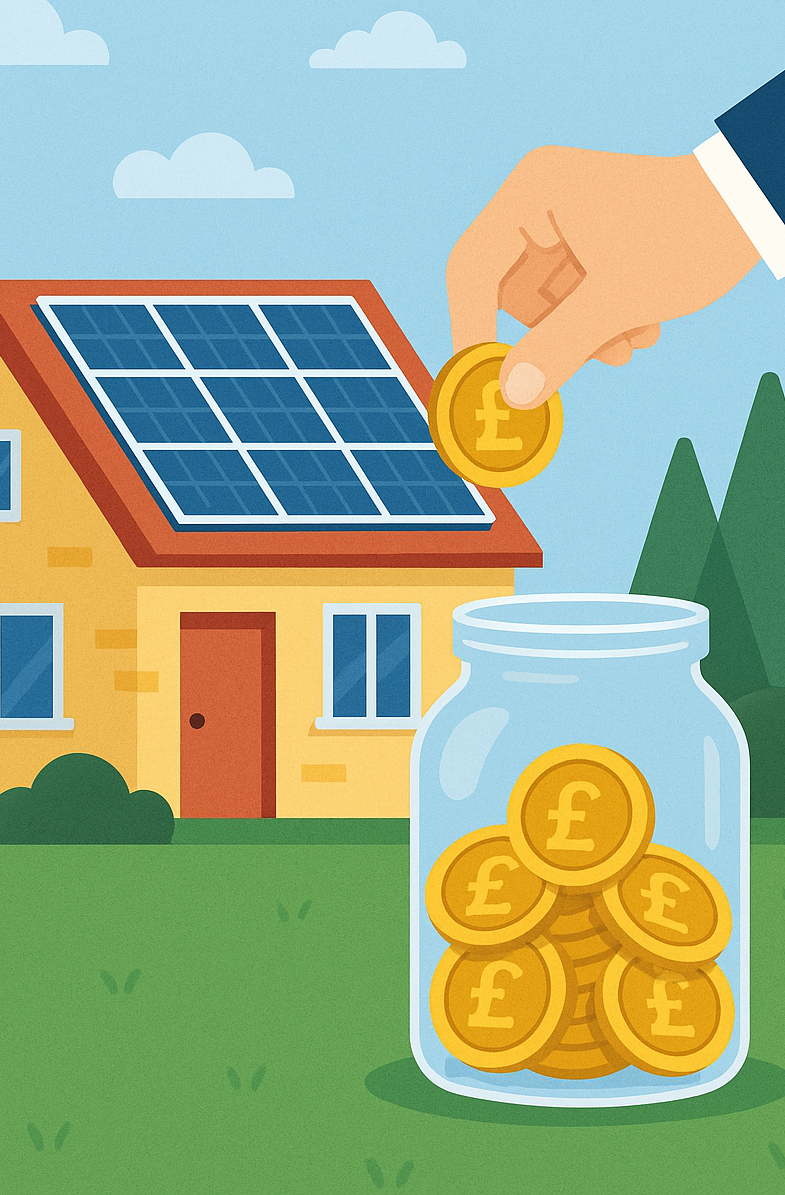
The Smart Export Guarantee (SEG) requires licensed energy suppliers to pay for every unit of surplus electricity you export to the grid. Unlike the old Feed-in Tariff, there is no fixed government rate: suppliers set their own tariffs. According to current market data, the best fixed rates reach around 25p/kWh, with typical rates sitting in the range of 6 to 15p/kWh. For a standard 4kWp system, SEG income typically contributes around £360 per year at mid-range rates.
Eligibility requires an MCS-certified installation and a meter that accurately records export. The scheme is ongoing, which means homeowners installing systems today can access it from day one. Shopping around between suppliers can make a meaningful difference to your annual returns.
What solar actually costs in 2026, and when you will see returns
Typical system costs for a UK home
A standard 4kWp system, comprising 10 to 12 panels with an inverter, costs between £5,500 and £8,000 fully installed, based on current installer market surveys. For most three- or four-bedroom homes, adding a 9.5 to 10kWh battery brings the total to between £9,500 and £12,500. This is the combination that makes the most practical sense for typical household usage patterns: generating during the day and drawing stored power in the evenings. Premium systems using advanced panels and larger storage, such as a Tesla Powerwall, sit at £14,500 and above.
One timing consideration worth noting: solar installation prices are forecast to rise by £500 to £750 from April 2027, partly as the 0% VAT period ends. Locking in your system in 2026 represents a genuine pricing advantage, not simply a marketing claim.
Payback periods and annual savings
A solar-only system typically pays back in 8 to 10 years. Adding battery storage brings that range to 6 to 10 years, depending on how much electricity you use during evenings and overnight. Annual financial benefits for a solar-only setup range from £500 to £700, combining bill savings with SEG income. A solar and battery combination typically delivers between £700 and £950 per year.
These are UK-wide averages. What yours looks like depends on when your home is occupied, how your roof faces, and the weather patterns in your area, which is exactly why a proper site visit matters. A correctly sized system, designed around your actual usage rather than a national template, will consistently outperform a generic installation of the same nominal capacity.
Is your home a good fit for solar panels?
The variables that shape your output
South-facing roofs pitched at 30 to 40 degrees capture the greatest annual yield, but east- or west-facing arrays still generate strong returns. A split array across two roof faces is often the right solution for homes where a single south-facing pitch is not available. Shading is the variable most often underestimated: a chimney, a neighbouring building, or a mature tree can reduce output significantly if the system design does not account for it.
Roof condition and structural integrity should be assessed before installation. Most reputable installers will flag any issues during a survey. Beyond the physical roof, your electricity usage patterns are important: homes occupied during the day will self-consume more of what they generate, improving returns without relying as heavily on battery storage.
Why local knowledge changes the outcome
Regional microclimates across Wales and the North West of England vary more than most people appreciate. A coastal property in Anglesey, a hillside farm in Powys, and a semi-detached house in Cheshire each face different irradiance levels, wind exposure, and planning contexts. Carbon Zero Renewables offers on-site consultations across North Wales, Mid Wales, West Wales, and the North West precisely because these variables cannot be resolved from a satellite image or an online form. For those interested in community energy approaches, see our Community Solar in Wales: A Guide to Local Energy Power.
Right-sizing a system matters financially. An oversized system generates more than your property can use or store, reducing the effective return on each panel. An undersized one leaves savings on the table. Getting this balance right requires someone who has actually looked at your roof, understood your bills, and knows the local conditions. For further reading on regional considerations and practical tips, consult our Useful Content About Solar Energy in Wales.
How to choose a solar installer you can actually trust
Accreditation checks that protect your investment
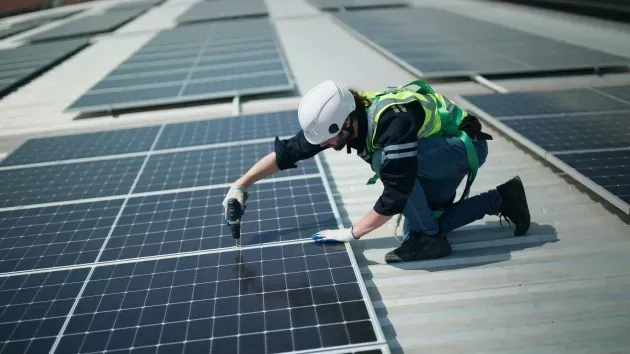
MCS (Microgeneration Certification Scheme) certification is the single most important credential to verify when selecting an installer. It covers both the installer's competence and the products they use, and it is a requirement for accessing SEG payments and most government-backed funding. Check any installer against the official MCS Installer Register before signing a contract. Membership of RECC (Renewable Energy Consumer Code) or Hich IES adds a further layer of protection, offering deposit guarantees and confirming the company has been vetted for financial reliability.
Beyond certification, the installer must comply with Building Regulations and obtain G98 or G99 approval from the Distribution Network Operator (DNO). A professional installer handles this as a matter of course, but it is worth confirming they manage it as part of the service rather than leaving it to you.
Questions to ask before you commit
Ask for a written breakdown of the proposed system design, including the expected annual generation figure. Confirm that warranties are clearly separated: panels, inverters, and workmanship are covered under different terms and for different durations. Ask specifically how the installer handles DNO applications and commissioning, and whether you will receive an MCS installation certificate on completion, you will need this for SEG applications.
- Verify MCS certification via the official register before any contract is signed
- Confirm RECC or Hich IES membership for consumer protection and deposit guarantees
- Request a written system design with projected generation figures specific to your property
- Clarify separate warranties for panels, inverter, and workmanship
- Ask who manages DNO approval and confirm you receive the MCS installation certificate
A reputable installer will answer every one of these questions without hesitation. Evasiveness or vague answers on any of them is a reliable signal to keep looking.
The practical next step for your property
Solar energy in the UK has genuine momentum in 2026: record installed capacity, a clear government roadmap, and a financial case that stands up to scrutiny for the majority of properties. The quality of your outcome, though, depends almost entirely on the decisions made before a single panel is installed. That means understanding which incentives you actually qualify for and acting on the ones with hard deadlines. It means knowing what a correctly priced system looks like, and choosing an MCS-certified installer who will assess your property properly rather than generate a number over the phone.
The grants and VAT relief available right now will not last indefinitely. ECO4 closes on 31 December 2026. The 0% VAT window runs to March 2027. These are not distant deadlines. If you are exploring solar energy in the UK and are eligible for either scheme, acting in 2026 is materially better than waiting.
If you are based in North Wales, Mid Wales, West Wales, or the North West of England, the most useful next step is a proper on-site consultation with a team that knows your region. Carbon Zero Renewables offers exactly that: no generic quotes, no pressure, just a clear assessment of what your property could realistically generate, what it would cost, and what support you qualify for. For a step-by-step walkthrough tailored to Welsh homeowners, read A Homeowner's Guide to Going Solar in Wales: Your 2025 Roadmap.