Energy bills remain a major concern for households across Great Britain, with Ofgem confirming another change to the energy price cap from
1 October 2026.
For a typical household paying for gas and electricity by Direct Debit, the headline annual figure will rise by around
4%, from £1,663 to £1,723. That is approximately £60 more per year if the October price level remained in place for a full 12 months. (Ofgem)
However, the energy price cap is not a maximum limit on your total household bill.
Your actual costs still depend on how much energy you use, your tariff, your meter type and the rates charged by your supplier.
The good news is that you are not completely powerless. Alongside comparing tariffs and reducing wasted energy, installing
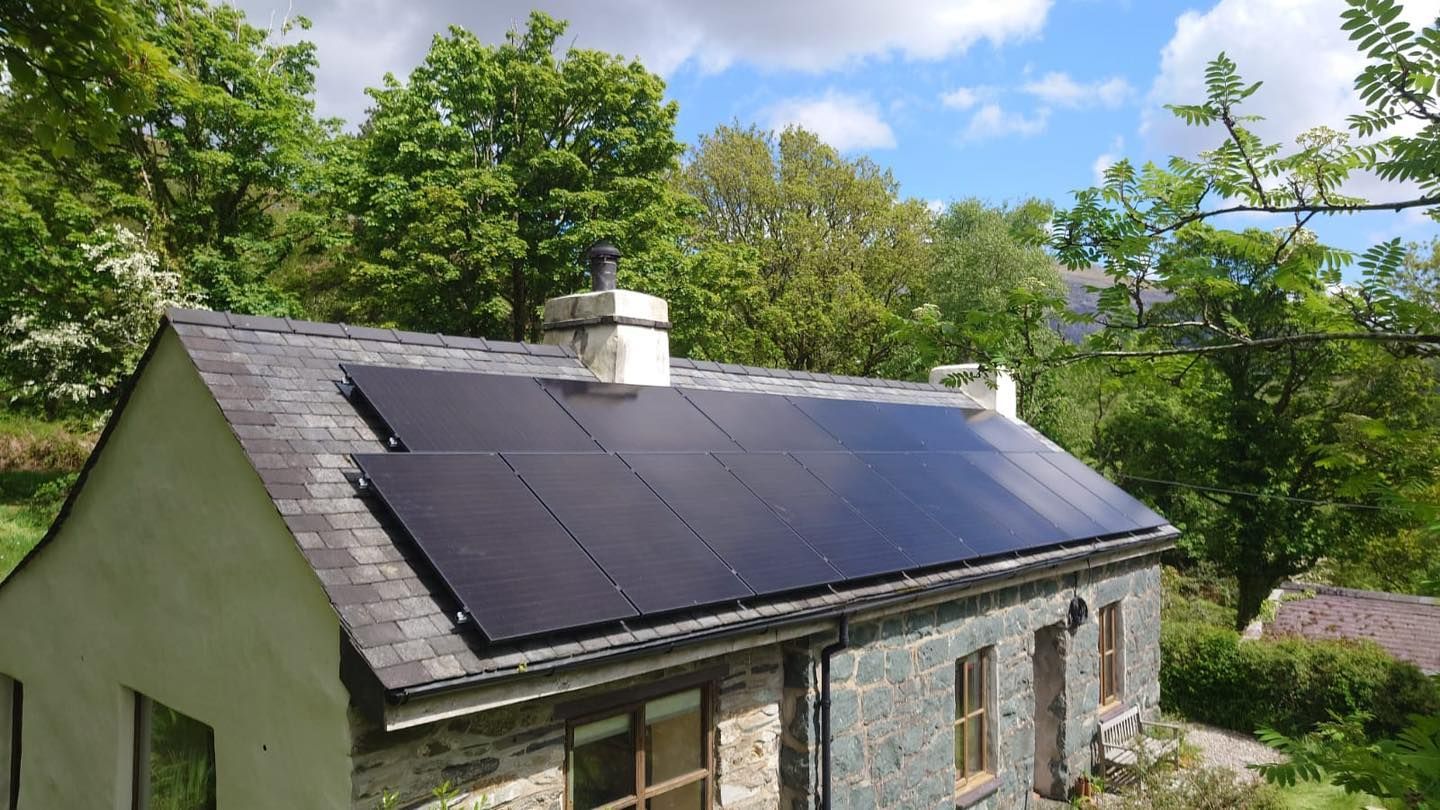
solar panels and battery storage can help you generate more of your own electricity, reduce your reliance on the grid and take greater control of your future energy costs.
What is the energy price cap?
The energy price cap is set by Ofgem, the UK energy regulator.
It limits the amount energy suppliers can charge customers on standard or default variable tariffs for each unit of gas and electricity, as well as the daily standing charge.
Ofgem reviews the cap every three months to reflect changes in the costs faced by energy suppliers. (Ofgem)
The headline figure of
£1,723 a year is therefore not a guaranteed bill. A household using more energy than the typical amount could pay considerably more, while a household using less could pay less.
It also means that even when the price cap falls, your bills may remain high if your household uses a lot of electricity.
What will electricity cost from October 2026?
For customers on a standard variable tariff paying by Direct Debit, the average electricity rate across England, Scotland and Wales from 1 October to 31 December 2026 will be:
26.32p per kWh for electricity, with an average
daily standing charge of 54.83p.
The equivalent gas rate will be around
7.97p per kWh, with an average standing charge of
29.68p per day. Exact rates vary depending on your region, payment method and meter type. (Ofgem)
There is also a significant change affecting electricity bills. From
1 October 2026 to 31 March 2027, VAT is being removed from household electricity bills. The government says this is expected to save the average household around £45 a year. Gas will continue to attract 5% VAT. (GOV.UK)
Despite this temporary VAT reduction, higher wholesale energy costs mean the overall price cap for a typical dual-fuel household is still increasing.
Why the energy price cap does not solve the problem
The price cap may limit the rates charged on certain tariffs, but it does not protect households from:
- Rising electricity usage
- Higher standing charges
- Future price-cap increases
- Increased demand from electric vehicles and heat pumps
- Greater reliance on the grid
- Long-term energy market uncertainty
This is why many homeowners are looking beyond switching suppliers and asking a more important question:
How can I reduce the amount of electricity I need to buy from the grid?
For many properties, solar panels can be part of the answer.
Can solar panels help reduce electricity bills?
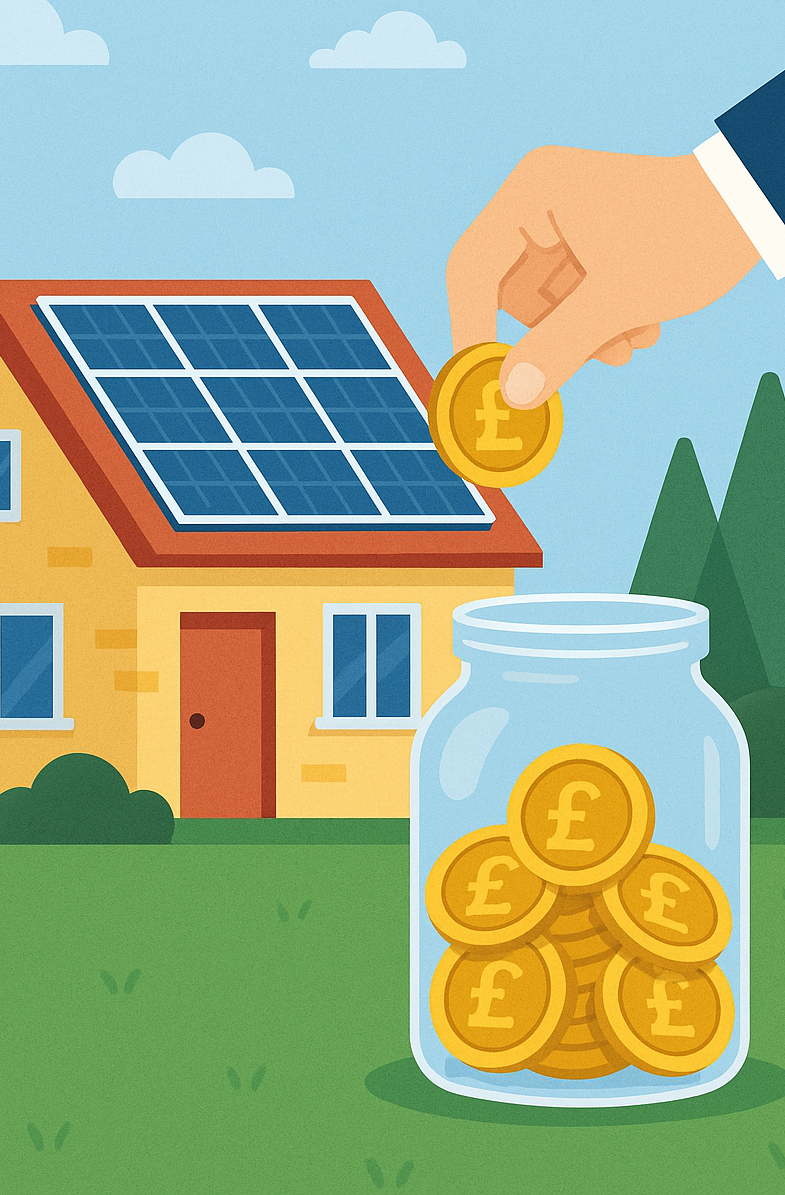
Yes. Solar panels generate electricity from daylight, allowing you to use more of your own power instead of buying all your electricity from your supplier.
The more solar electricity you use directly in your home, the less electricity you need to purchase from the grid at the prevailing unit rate.
Solar panels can help power everyday appliances such as:
- Washing machines and dishwashers
- Refrigerators and freezers
- Lighting
- Home offices
- Immersion heaters
- Electric vehicle chargers
- Heat pumps
- Home battery systems
Solar generation is usually highest during daylight hours, particularly in spring and summer. By using more electricity while your panels are generating, you can improve your self-consumption and potentially reduce your annual electricity costs.
The exact savings depend on factors including your roof orientation, shading, system size, household usage, electricity tariff and local weather conditions.
Solar panels can help you take back control
When you rely entirely on the grid, you have little control over the price you pay for each unit of electricity.
Solar panels change that by allowing you to generate a proportion of your own electricity.
You are still likely to remain connected to the grid, especially during evenings, overnight and periods of low sunlight. However, generating your own electricity can reduce your exposure to future price increases.
Instead of paying the full retail electricity rate for every unit you use, you can produce some of your own power at home.
That can provide:
- Lower electricity bills
- Greater protection from future price rises
- More control over household energy costs
- Reduced reliance on energy suppliers
- A lower-carbon source of electricity
- Potential income or credit for surplus electricity exported to the grid
Solar is not a guaranteed way to eliminate your energy bills, and it is important to receive a properly designed quotation based on your property and usage. However, it can be a practical long-term strategy for reducing grid electricity consumption.
Could a home battery make solar more effective?
Solar panels generate electricity during daylight hours, but many households use the most electricity in the morning and evening.
A home battery can store surplus solar electricity generated during the day so that it can be used later.
For example, instead of exporting unused solar power during the afternoon, a battery may allow you to use more of that energy in the evening for:
- Cooking
- Lighting
- Television and entertainment
- Heating controls
- Electric vehicle charging
- Appliances
- Hot water systems
A battery can also help some households take advantage of time-of-use tariffs by charging when electricity is cheaper and using stored energy when grid electricity is more expensive.
Whether battery storage is suitable depends on your electricity usage, solar system size, tariff and budget. A professional assessment can help determine whether adding a battery is likely to improve the value of your solar installation.
Solar panels, batteries and electric vehicles
If you own or are considering an electric vehicle, solar panels and battery storage could help you reduce the cost of charging.
Charging your vehicle during the day can allow you to use electricity generated directly by your solar panels. Alternatively, a battery may store solar energy for charging later.
Some smart tariffs also offer cheaper overnight or off-peak electricity. A well-designed solar and battery system can help you make better use of these different pricing periods.
The right solution depends on your driving habits, vehicle battery size, home energy consumption and tariff. A solar survey can help identify the most suitable combination of panels, battery storage and smart controls.
Does the price cap apply to everyone?
No.
The price cap primarily protects customers on standard variable or default tariffs, including customers paying by Direct Debit, standard credit and prepayment meter.
If you have already moved onto a
fixed-rate energy tariff, the October change to the price cap does not automatically change the rates agreed in your fixed tariff. (Ofgem)
This makes it important to understand your current tariff before deciding whether to switch, install solar or change how you use electricity.
What can you do about rising electricity prices?
1. Check your current tariff
Look at your latest energy bill or online account.
Check:
- Your electricity unit rate
- Your daily standing charge
- Your annual electricity usage
- Whether you are on a fixed or variable tariff
- Whether you have exit fees
- Whether your supplier offers a smart or time-of-use tariff
These details will help you understand how much you currently pay and how much you could potentially save by reducing grid electricity use.
2. Compare tariffs
Being protected by the price cap does not necessarily mean you are on the cheapest available tariff.
Ofgem advises customers to check whether changing tariff, payment method or supplier could reduce their costs. Fixed tariffs may also provide greater certainty because the agreed rates are normally protected from subsequent price-cap changes for the duration of the fix. (Ofgem)
If you are considering solar panels or a battery, ask your installer which tariffs may work well with your system. Some tariffs are designed for households with solar, batteries or electric vehicles.
3. Get accurate meter readings
If you do not have a smart meter sending readings automatically, submit regular meter readings.
Estimated readings can result in inaccurate bills or unexpected debt. Accurate usage information is also essential when assessing whether solar panels or battery storage could be suitable for your home.
4. Use electricity when solar generation is highest
One of the simplest ways to improve the value of solar panels is to use more electricity during daylight hours.
You could consider running appliances such as washing machines, dishwashers and immersion heaters when your panels are generating electricity.
Smart plugs, timers and energy management systems can help automate this process.
5. Consider solar panels
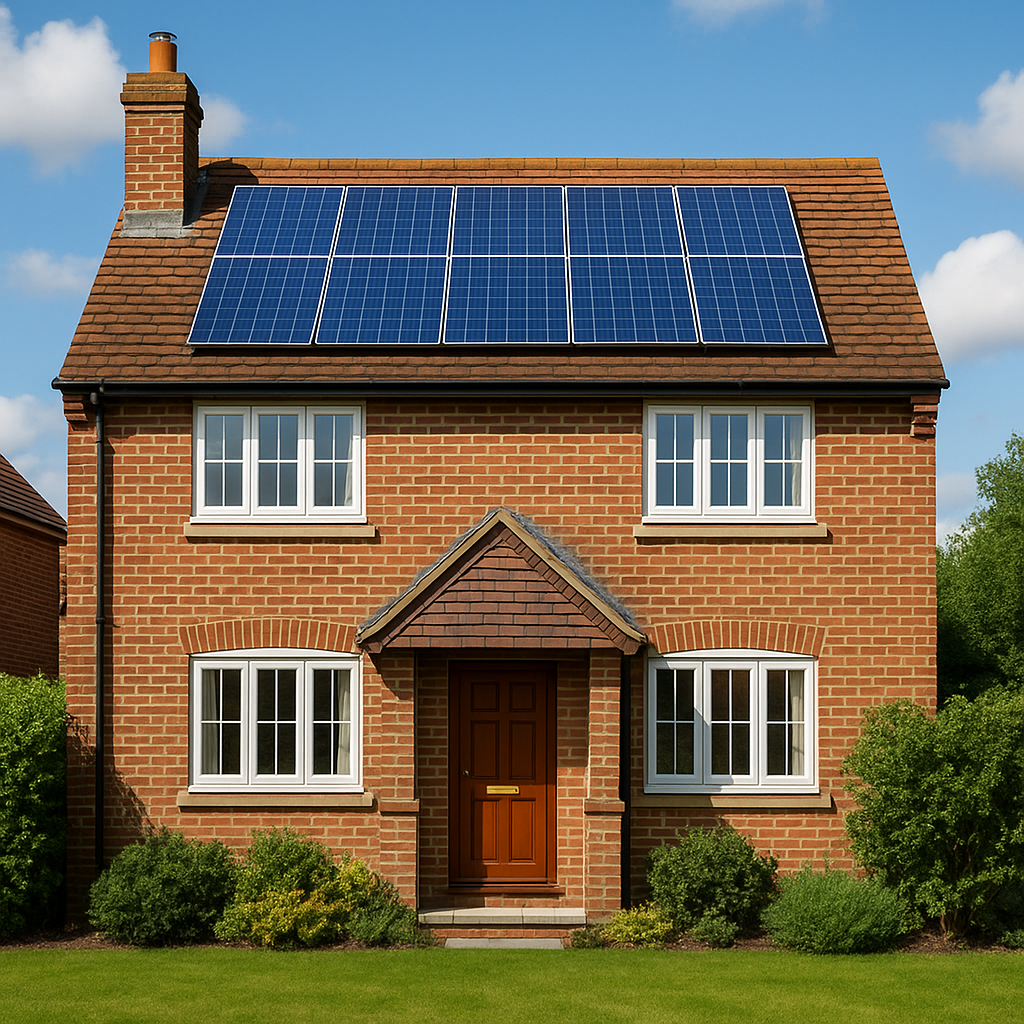
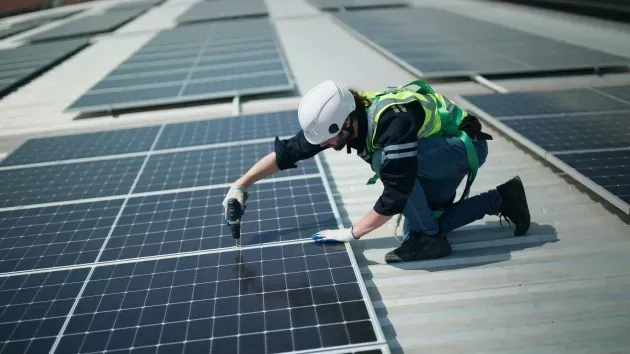
Solar panels can generate renewable electricity on your roof and reduce the amount of power you need to buy from the grid.
A professional installer should assess:
- Roof direction and pitch
- Shading from trees or buildings
- Available roof space
- Your annual electricity consumption
- Your future energy plans
- Whether you may add an electric vehicle or heat pump
- Whether battery storage would be beneficial
Every home is different, so avoid relying on generic savings estimates. A tailored solar quotation should show the expected system size, estimated generation, likely savings and available payment options.
6. Consider battery storage
A battery may help you use more of your own solar electricity and reduce the amount you export.
It may also provide additional flexibility if you have a suitable time-of-use tariff.
Battery storage is not automatically the right choice for every property, so it is important to compare the expected benefits with the installation cost and warranty terms.
7. Check whether you qualify for support
The
Warm Home Discount is worth
£150 for eligible households during winter 2026/27.
The scheme is due to reopen in October 2026. In England and Wales, many qualifying households receiving certain means-tested benefits will receive the discount automatically, although the rules differ in Scotland. (GOV.UK)
If you are struggling with energy costs, check whether you qualify for financial support before making any major decisions.
8. Speak to your supplier if you are struggling
If you cannot afford your energy bill, contact your supplier as early as possible.
Ofgem states that suppliers must work with customers who ask for help. Support may include an affordable repayment arrangement and, in some circumstances, emergency credit for customers using prepayment meters. (Ofgem)
Solar panels are a long-term investment and may not be suitable for every household, particularly if you are already experiencing serious financial difficulty. Always consider your wider financial position and seek independent advice where appropriate.
How much can solar panels save?
There is no single saving figure that applies to every home.
Potential savings depend on:
- The size and efficiency of your solar panel system
- Your roof orientation and shading
- Your annual electricity consumption
- How much electricity you use during daylight hours
- Whether you install a battery
- Your electricity tariff
- Whether you export surplus electricity
- Future changes in energy prices
A larger household with high electricity usage may have more opportunity to benefit from solar, particularly if it uses electricity during the day or has an electric vehicle, heat pump or battery.
The best way to understand your potential savings is to request a tailored solar assessment based on your actual property and energy usage.
What happens to surplus solar electricity?
If your solar panels generate more electricity than your home needs, the surplus may be exported to the grid.
Depending on your supplier and eligibility, you may be able to receive payments through the Smart Export Guarantee or another export arrangement.
Export rates vary, so it is important to compare the value of using solar electricity in your home with the payment available for exporting it.
A solar installer can explain how export payments may work alongside your system design and tariff.
Keep an eye on January 2027
The October price cap only covers the period from
1 October to 31 December 2026.
Ofgem is due to announce the next price-cap level, covering
1 January to 31 March 2027, by 25 November 2026. (Ofgem)
Energy prices can change quickly, which is why reducing your reliance on grid electricity may be worth considering as part of a longer-term household energy plan.
Take control of your energy costs with solar
The energy price cap may limit supplier rates on certain tariffs, but it does not guarantee that your bills will remain affordable.
From October 2026, the headline cap for a typical dual-fuel household paying by Direct Debit will rise to around
£1,723 a year. (Ofgem)
Switching tariffs, reducing wasted energy and using electricity at cheaper times can all help. But if you want to take greater control of your electricity costs, generating your own power with solar panels could be a smart next step.
Solar panels can help you:
- Generate your own renewable electricity
- Reduce your reliance on the grid
- Lower your electricity bills
- Make better use of daylight hours
- Prepare for future electric vehicle or heat pump use
- Potentially store energy for use later
- Reduce your exposure to future price increases
Ready to find out whether solar could work for your home?
Request your free, no-obligation solar quote today.
Get Your FREE Quote
Here
Our team can assess your property, review your energy usage and recommend a solar and battery solution designed around your needs.
Information correct as of 21 September 2026. Energy prices, government support schemes, export payments and tariff availability can change. Solar savings are not guaranteed and depend on property, system design, energy usage, tariff and market conditions. Consumers should check current Ofgem and GOV.UK information before making financial decisions.