Commercial Solar Solutions for Denbighshire Businesses

For businesses across Denbighshire, rising energy costs, grid constraints, and growing sustainability expectations are placing increasing pressure on operating margins. Solar for Businesses in Denbighshire provides a proven, commercially viable solution — allowing organisations to take control of energy costs while investing in long-term resilience.


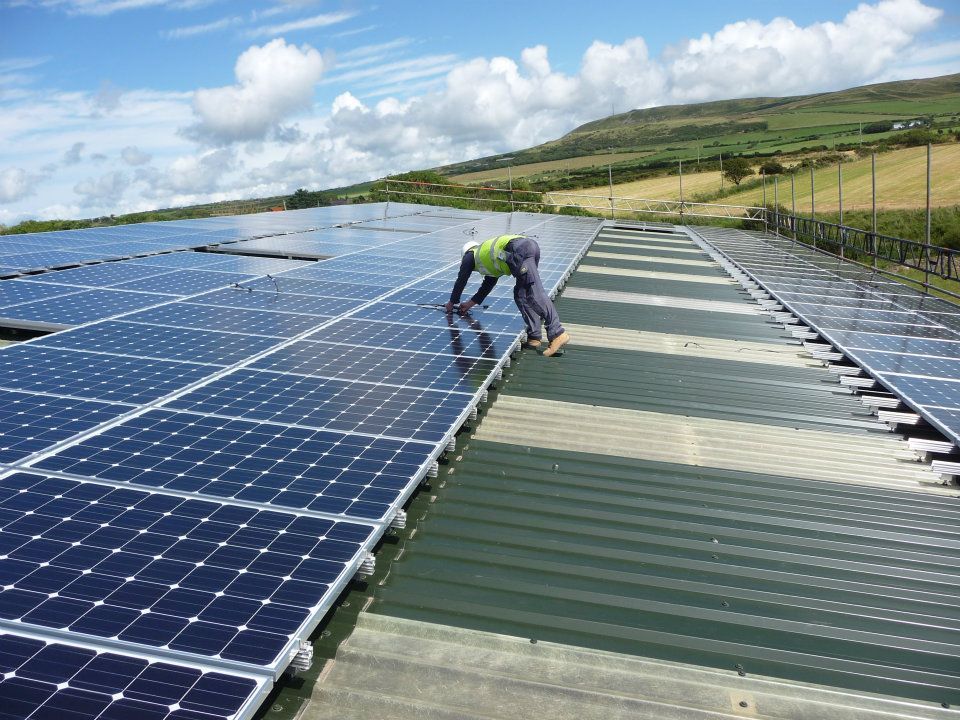
At Carbon Zero Renewables, we design and install commercial solar PV and commercial solar battery systems tailored specifically to the needs of Denbighshire businesses. From rural agricultural sites and industrial estates to offices, hospitality venues, and public-facing organisations, we help businesses convert unused roof and land space into a dependable energy asset.


Why Commercial Solar Works Especially Well in Denbighshire


Denbighshire combines rural, industrial, and mixed-use commercial environments — many of which are exceptionally well suited to solar PV.


Local advantages include:

  • High daytime electricity usage
  • Large roof and land availability
  • Exposure to rural grid constraints
  • Increasing pressure to demonstrate sustainability


For many Denbighshire businesses, solar is not just a cost-saving measure — it is a strategic infrastructure upgrade.

Commercial Solar PV Systems for Denbighshire Businesses


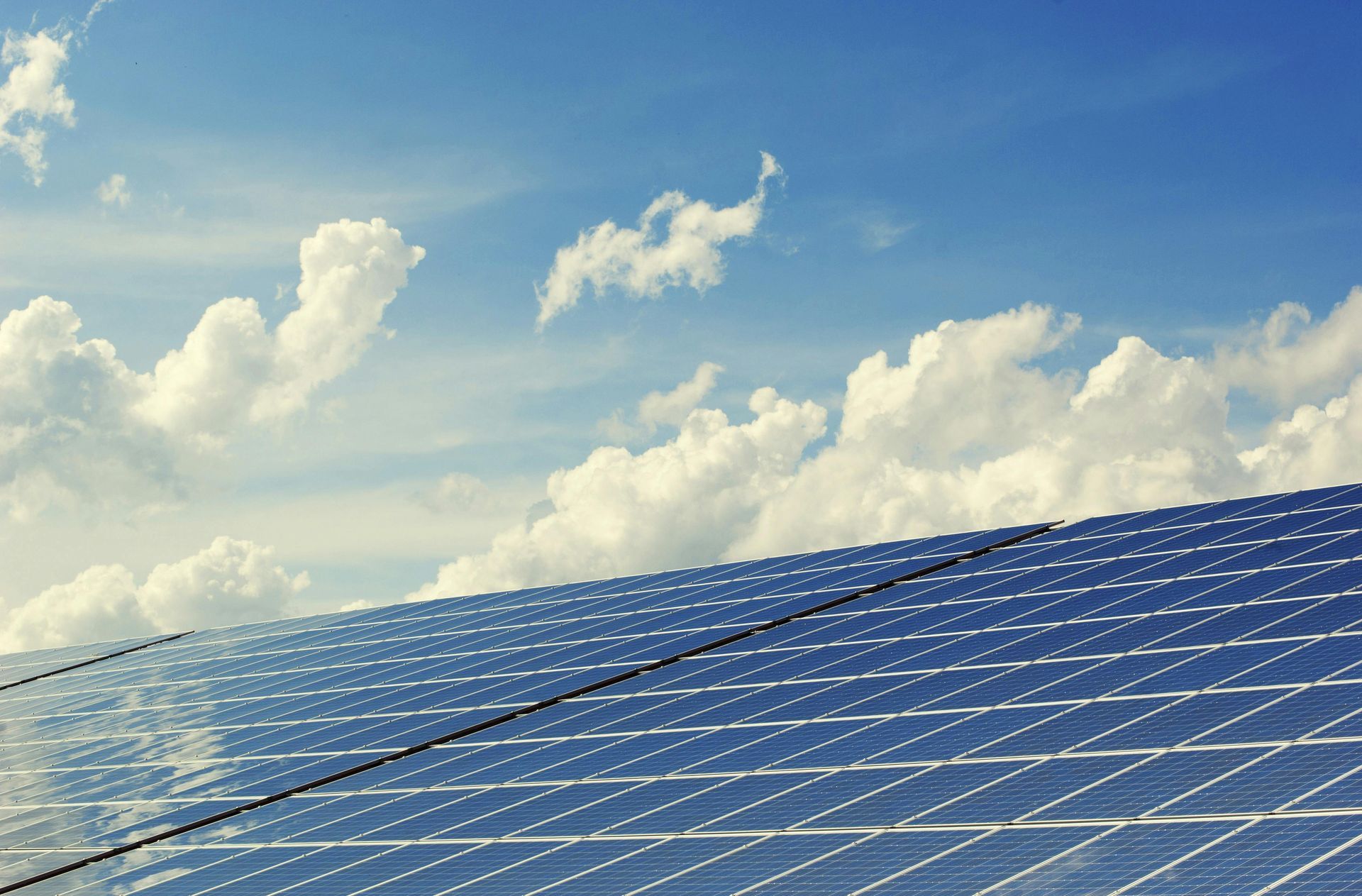
A commercial solar PV system generates electricity on-site, reducing dependence on grid imports and stabilising long-term energy costs.

Unlike domestic systems, commercial PV installations are engineered around:


  • Actual consumption data
  • Operational hours
  • Building structure and orientation
  • Grid capacity and export limitations


Many Denbighshire businesses achieve self-consumption rates of 70–80%, meaning most generated electricity is used directly rather than exported.

Commercial Solar Flintshire for business

The Cost & ROI of Commercial Solar

The cost of solar for businesses varies depending on system size, roof type, and installation complexity. But falling panel prices and improved efficiency mean solar now offers a strong return on investment for all sectors—from hospitality and farming to retail and light industry.

System Size (kWp) Estimated Cost (inc. VAT) Ideal For Estimated Annual Savings/Income Typical Payback Period
10kW £11,500 - £14,000 Small shops, farm offices, cafes £1,800 - £2,300 5 - 7 years
30kW £27,000 - £34,000 Guesthouses, workshops, schools £5,500 - £7,000 4 - 6 years
50kW £44,000 - £53,000 Hotels, factories, leisure centres £9,000 - £11,500 4 - 6 years
100kW+ £78,000+ Large industrial units, food processors £18,000+ 3 - 5 years
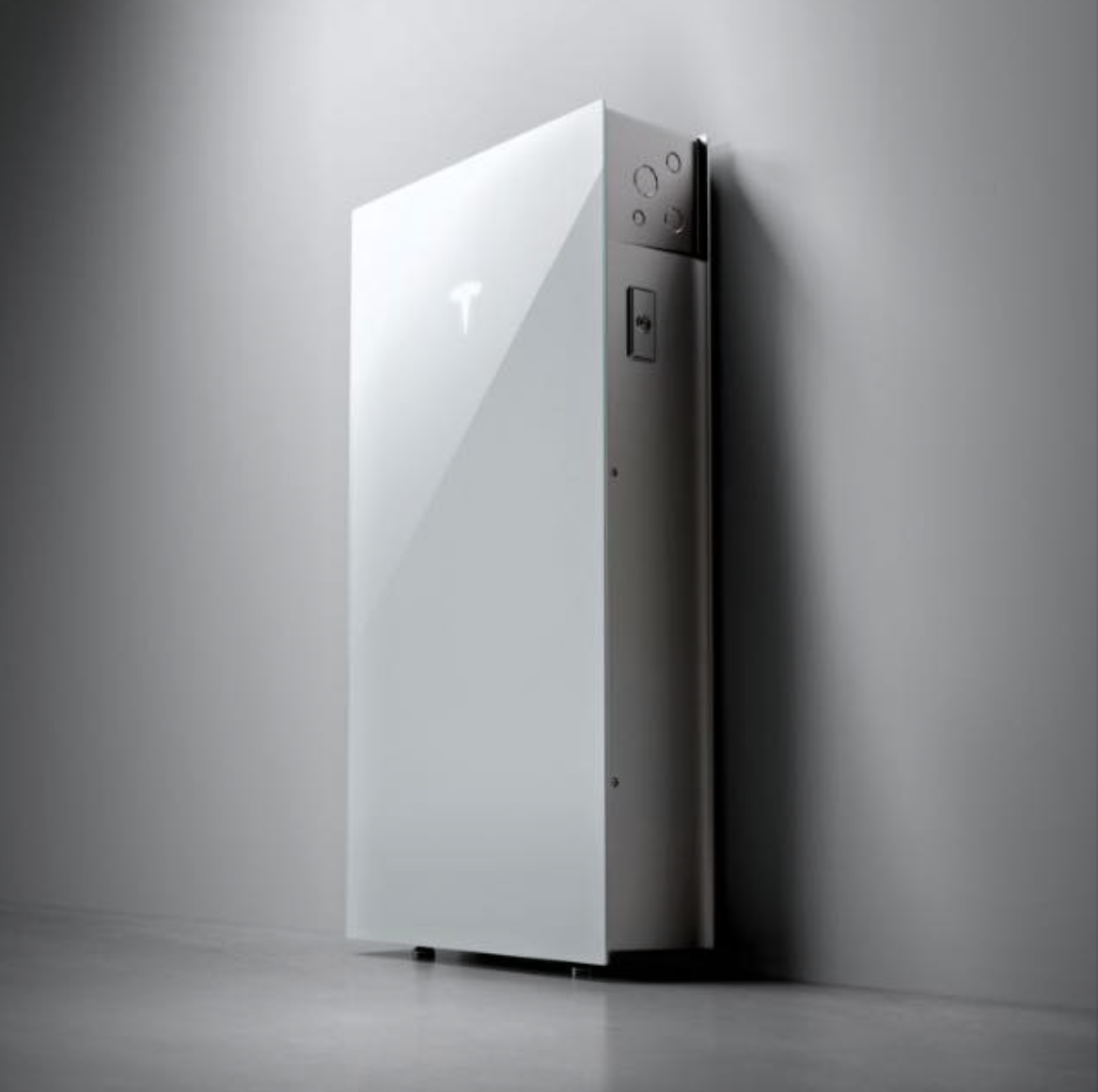
Commercial solar batteries - Tesla Powerwall

Commercial Solar Batteries: Improving Control and Resilience


Adding commercial solar batteries enables businesses to store excess energy and deploy it when needed — particularly during peak tariff periods or grid disruptions.


Battery storage:

  • Increases solar self-consumption
  • Reduces peak demand charges
  • Improves energy resilience
  • Strengthens long-term ROI


Carbon Zero Renewables designs scalable battery systems that evolve with your business.

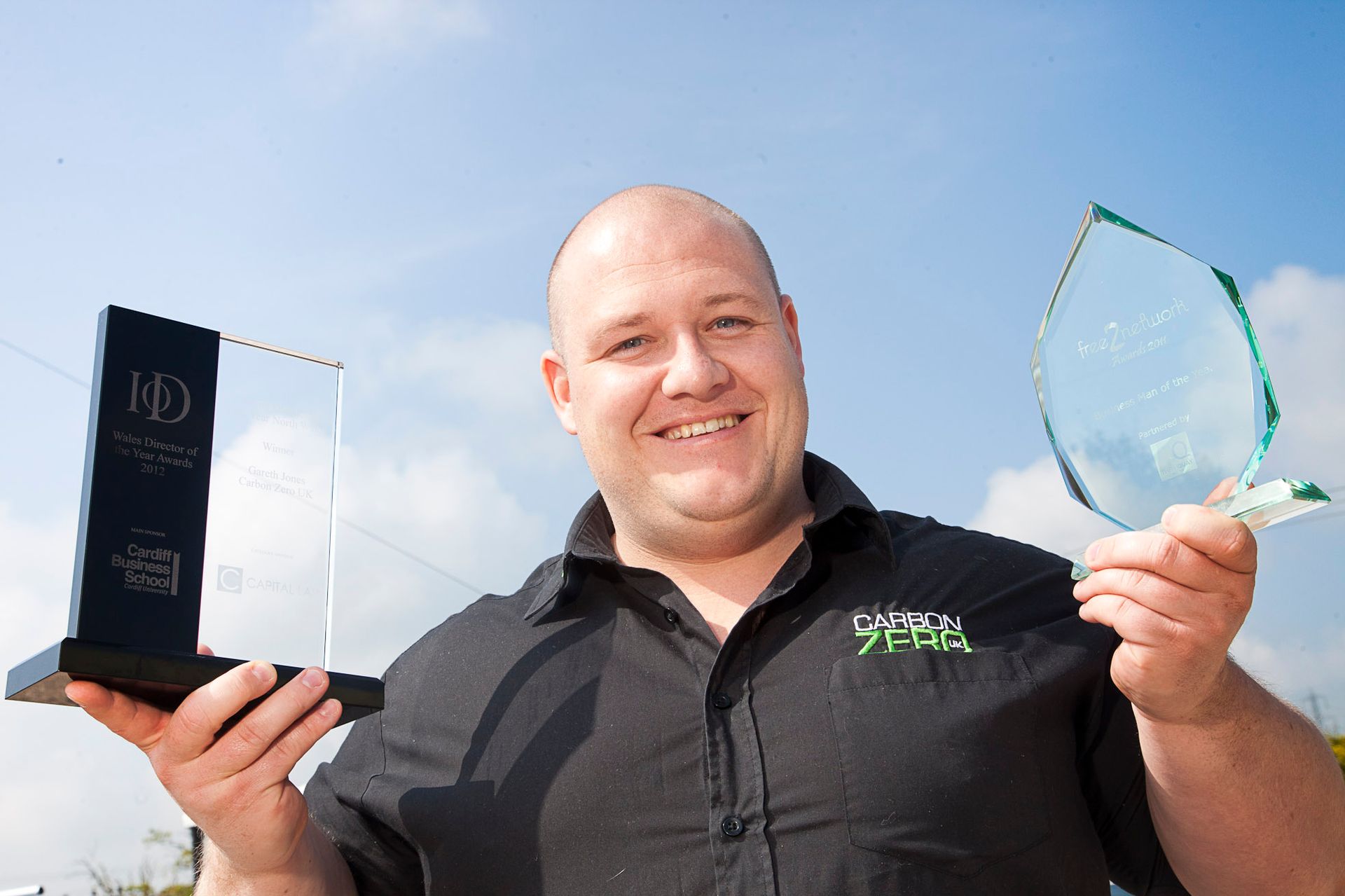
WINNERS OF OVER 120 INDUSTRY AWARDS

Commercial Solar Wales

Ready to Invest in Solar for Your BUSINESS?

Get in touch for a free consultation and personalised quote. Our team is here to answer any questions, guide you through the process, and help you start saving with solar energy today. Contact us to get started!

Why Businesses Choose Carbon Zero Renewables


As experienced commercial solar PV installers and commercial solar battery installers, we focus on long-term performance, not short-term sales.


Our commercial approach includes:

  • Detailed energy and consumption analysis
  • Conservative, evidence-based ROI forecasting
  • Bespoke system design (no standard packages)
  • MCS-compliant installation and commissioning
  • Ongoing monitoring, maintenance, and support


We operate as long-term energy partners for Denbighshire businesses, supporting systems throughout their operational lifespan.


Typical Commercial Sectors We Support


  • Manufacturing and industrial facilities
  • Warehousing and logistics centres
  • Offices and professional services
  • Retail parks and large-format retail
  • Hospitality and leisure venues
  • Public and third-sector organisations


If your business consumes electricity during daylight hours, commercial solar is almost certainly viable.

Solar in Wales

Our Denbighshire-Focused Methodology


Carbon Zero Renewables applies a data-led, site-specific approach for Denbighshire enterprises.


Rather than applying generic system sizes or estimated savings, our methodology is built around real consumption data, realistic financial modelling, and local commercial insight.


Our area-specific approach includes:


  • Thorough consumption analysis
    We analyse actual half-hourly electricity data and historical energy bills to understand how and when your business uses power — avoiding assumptions or averaged estimates.
  • Precise financial forecasting
    Payback periods and ROI calculations are built conservatively around your site’s load profile, achievable self-consumption rates, and seasonal generation patterns.
  • Regional commercial expertise
    Our team has in-depth knowledge of local commercial property stock, including industrial units, agricultural buildings, warehouses, offices, and mixed-use sites — as well as local grid constraints and planning considerations.
  • Open, consultative communication
    We provide transparent pricing, clear system specifications, and honest recommendations. If solar or battery storage is not the right solution, we will say so.
  • End-to-end project coordination
    From initial feasibility assessment and system design through to installation, commissioning, and post-handover support, Carbon Zero Renewables manages the entire process seamlessly.


Reliable Aftercare and Long-Term System Support


Commercial solar is a long-term investment, and its value depends on ongoing performance. Carbon Zero Renewables maintains long-standing client relationships through a robust aftercare programme designed to protect system output and ROI.


Our aftercare services include:

  • Commercial-scale annual maintenance programmes
    Scheduled inspections, electrical testing, and preventative maintenance to ensure continued compliance and optimal performance.
  • Expedited technical support
    Fast response times from experienced engineers when issues arise, minimising downtime and generation losses.
  • Proactive monitoring alerts
    Automated system monitoring identifies underperformance or faults early, often before the issue impacts savings.
  • Regular performance reviews
    Periodic system reviews help optimise output over the system’s lifetime and identify opportunities for future expansion or battery integration.


Service Delivery Standards


Choosing Carbon Zero Renewables as your commercial solar PV installers or commercial solar battery installers means working with a provider that prioritises accuracy, accountability, and long-term value.

Detailed Planning and Investment Modelling


Every commercial project begins with a structured planning process.


Investment return timeline


Financial projections are calculated using verified energy bills and consumption records, not estimates. Our models account for:

  • Seasonal generation variation
  • Realistic export assumptions
  • Achievable self-consumption rates
  • Current and forecast electricity pricing


This ensures payback timelines are realistic, defensible, and suitable for board-level decision-making.


Professional Monitoring Platforms


All Carbon Zero Renewables systems include enterprise-grade monitoring software, providing:

  • Real-time generation data
  • Live consumption tracking
  • Export and battery performance visibility
  • Clear savings and carbon reduction metrics


Monitoring is accessible via web and mobile platforms, giving business owners and facilities managers complete visibility and control.


Comprehensive Warranty Protection


Every commercial installation includes robust warranty coverage for peace of mind:

  • 25–30 year solar panel performance guarantees (manufacturer-backed)
  • 10–15 year inverter warranties, with extended options available
  • 10-year workmanship warranty provided by Carbon Zero Renewables
  • Product assurance covering manufacturing defects and verified performance claims


Carbon Zero Renewables Service Territory – Denbighshire


Denbighshire Coverage


We support businesses across:

  • Rhyl
  • Prestatyn
  • Denbigh
  • Ruthin
  • St Asaph
  • Corwen
  • Llangollen
  • Bodelwyddan
  • Trefnant
  • Surrounding rural and industrial areas


Wider Coverage

  • North Wales: Flintshire, Wrexham, Conwy, Gwynedd, Anglesey
  • North West England: Cheshire, Wirral, Liverpool, Greater Manchester
  • Midlands: Shropshire, Staffordshire


Wherever your business operates, Carbon Zero Renewables delivers commercially focused solar and battery systems designed for cost reduction, resilience, and long-term performance.

Award Winning Solar in Wales

Why Choose Carbon Zero Renewables?

  • Award-Winning Installers – Recognised with the EUPD European Installer Award 2023
  • MCS & TrustMark Certified – Ensuring quality, safety, and eligibility for SEG
  • Excellent Customer Satisfaction – With 5-star reviews across platforms
  • Local Expertise – We know Wales inside out and deliver region-specific advice
  • Transparent Pricing & Funding Support We help you get the best value for your investment


Frequently Asked Questions About Commercial Solar for DENBIGHSHIRE Businesses

  • How much can a business in Denbighshire realistically save with commercial solar PV?

    Most Denbighshire businesses reduce electricity costs by 30–60%, with higher savings where daytime energy use is consistent.


    Commercial solar savings depend primarily on how much electricity a business consumes while solar panels are generating power. In Denbighshire, many businesses — particularly farms, workshops, offices, and hospitality venues — operate during daylight hours, allowing them to use solar electricity directly on site.


    Solar PV offsets electricity purchased at volatile commercial tariff rates. With energy prices remaining unpredictable, this provides both immediate savings and long-term protection. Carbon Zero Renewables bases projections on actual consumption data, accounting for seasonal demand, rural grid constraints, and realistic export assumptions.


    Over a 25–30 year lifespan, cumulative savings frequently reach six figures, while also delivering predictable energy costs and improved resilience.

  • Are commercial solar batteries worthwhile for businesses in Denbighshire?

    Yes — particularly for rural, agricultural, and grid-constrained sites.


    Many Denbighshire businesses experience limited grid capacity or high peak charges. Commercial battery storage allows excess solar energy to be stored and used later, reducing reliance on expensive imports.


    Batteries are especially valuable where:


    Operations extend into evenings


    Export capacity is restricted


    Energy resilience is critical


    Carbon Zero Renewables installs scalable battery systems, allowing businesses to expand storage as needs evolve.

  • How disruptive is commercial solar installation for Denbighshire businesses?

    In most cases, commercial solar installation is low disruption, because the majority of work happens externally on the roof or on land, with planned electrical integration. A professional installer will stage the project so your team can keep trading, producing, or serving customers. Any required downtime is typically short and scheduled in advance. Carbon Zero Renewables plans around your operations to minimise interruption.


    Commercial solar PV installation is best understood as a controlled, phased project rather than a “rip everything out” building job. For many Denbighshire sites — farms, rural workshops, light industrial units, offices, retail premises, and hospitality venues — panels are mounted externally while the business continues functioning as normal. The most sensitive part is usually the electrical integration, and even that can be planned to avoid peak operational windows.


    Carbon Zero Renewables begins with a structured pre-install process: site survey, roof assessment (or ground-mount feasibility), electrical checks, and a design that reflects how your business actually operates. This early work reduces surprises on install day. Where access is required inside the building (for cabling routes, inverter locations, or battery placement), we agree these details in advance so facilities teams can prepare and keep disruption contained.


    For rural Denbighshire locations, logistics matter: access roads, working space, weather exposure, and safe lifting for roof work. Good planning prevents delays and keeps teams off-site faster. If your business includes customers on-site (retail/hospitality), we can schedule noisier or higher-traffic activities outside trading hours, and we implement safety controls to keep staff and visitors safe.


    Electrical commissioning is typically the only point where brief interruptions may be needed, for example when connecting protection equipment or integrating with existing distribution boards. When unavoidable, this is scheduled at quiet times, and the duration is kept as short as possible. Many installations require no meaningful downtime beyond planned switching.


    After installation, Carbon Zero Renewables commissions the system, verifies performance, and activates monitoring so you can see generation and savings in real time. The overall aim is simple: you get the commercial benefit of solar with minimal operational disturbance — because for businesses, continuity is non-negotiable.
  • Do businesses in Denbighshire need planning permission for commercial solar PV?

    Many rooftop commercial solar installations can proceed without full planning permission, but it depends on the property and setting. Listed buildings, conservation areas, and certain ground-mounted systems often require additional approvals. The safest approach is an early planning check to avoid delays. Carbon Zero Renewables flags likely requirements upfront and supports the process where needed.


    Planning requirements vary because Denbighshire includes a wide mix of building types and settings — from rural agricultural structures and small industrial estates to heritage-sensitive areas and prominent frontage buildings. While many rooftop PV systems may be permissible under certain development rules, exceptions are common enough that treating planning as “someone else’s problem” is risky.


    Rooftop solar is generally simpler where panels sit close to the roof plane, don’t materially change the building’s profile, and don’t create unacceptable visual impact. However, listed buildings or properties within conservation areas can trigger stricter controls. Even where permission isn’t required, you may still need to comply with building regulations, structural constraints, and electrical standards — especially on older roof structures.


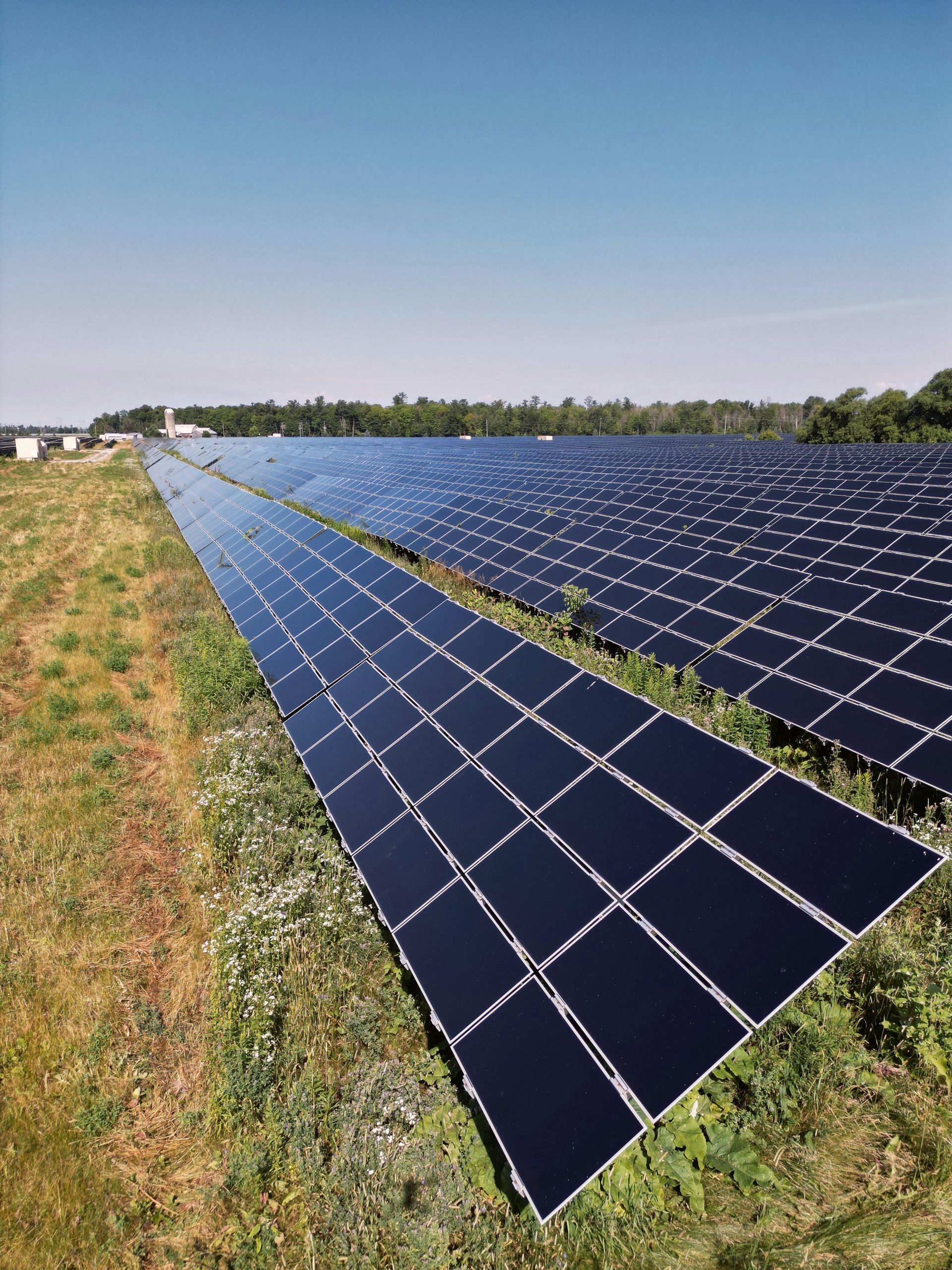
    Ground-mounted solar can be an excellent option for rural Denbighshire businesses with available land, particularly farms and industrial sites where roof capacity is limited. But ground arrays are more likely to require planning consideration because of land use, boundaries, visual impact, and ecological sensitivity. Setbacks, screening, and layout become important. In these cases, early feasibility work should also consider grid connection implications and cable routing.


    Carbon Zero Renewables takes a practical approach: we identify the most likely planning route at the start, then design accordingly. If the site has heritage restrictions or local sensitivities, we’ll adjust system design (panel placement, array height, equipment location) to reduce friction. Where an application is required, we can provide the technical information typically needed — such as system layouts, equipment specifications, and design rationale — so decision-making is faster and clearer.


    The commercial reality is that planning uncertainty can affect timelines and cashflow. That’s why we treat it as a core part of project planning, not an afterthought. The goal is to keep your project compliant, predictable, and moving forward without last-minute obstacles.

  • How long do commercial solar PV systems last?

    Commercial solar PV is a long-life asset: panels commonly deliver strong performance for 25–30+ years. Key components like inverters and batteries may need replacement earlier, typically around 10–15 years, depending on usage. With proper monitoring and maintenance, performance stays high and downtime stays low. Carbon Zero Renewables designs systems for longevity and serviceability.


    A commercial PV system isn’t a short-term gadget — it’s infrastructure. Solar panels are engineered to operate outdoors for decades, tolerating wind, rain, and temperature changes. Manufacturers typically provide performance warranties that guarantee output does not fall below a defined threshold over 25–30 years. In real-world conditions, panels often continue producing beyond warranty periods, albeit at gradually reduced efficiency.


    Where commercial systems differ from domestic is in how they’re engineered and managed. A well-designed system uses appropriate mounting, correct electrical protection, high-quality cabling routes, and reliable monitoring. This reduces stress on components and makes maintenance simpler. In commercial settings, performance loss isn’t just inconvenient — it’s lost revenue and higher operating cost — so build quality matters.


    Inverters are the component most commonly replaced because they work hard converting DC to AC electricity and managing performance. Many commercial inverters carry 10–15 year warranties, with options to extend cover. Battery storage systems also carry defined warranty periods tied to throughput and cycles; how you use the battery (daily cycling vs occasional peak-shaving) affects lifespan. The important point: these components are modular. You can replace or upgrade them without replacing your entire solar array.


    Carbon Zero Renewables includes monitoring on all systems so underperformance is detected early. If a string drops, a component faults, or output trends below expected values, you find out quickly — often before the loss becomes significant. Combined with planned maintenance, this keeps systems operating near their intended performance levels.


    For Denbighshire businesses, that longevity translates into predictable long-term savings and energy stability. Instead of budgeting against unknown future tariff rises, you’re producing a portion of your energy at a stable, known cost for decades — and that’s why commercial solar remains one of the strongest long-term investments available to SMEs.

  • Can commercial solar systems be expanded as a Denbighshire business grows?

    Yes — commercial solar PV and battery systems can be designed to scale, and expansion is often best planned from day one. Growth might mean more panels, higher inverter capacity, or additional battery storage. A staged approach allows you to match capital spend to business growth. Carbon Zero Renewables designs with expansion pathways built in.


    Business energy demand rarely stays flat. New equipment, longer operating hours, added refrigeration, EV charging, or expansion into new buildings all change your load profile. The best commercial solar systems account for that reality. Planning for expansion is not about guessing the future — it’s about creating a system architecture that can grow without major rework.


    Expansion can take several forms. The simplest is adding panels if roof or land space allows. Another route is upgrading inverters or adding additional inverter capacity. For businesses starting with PV only, adding batteries later is a common and sensible progression once generation patterns and export realities are understood. For businesses starting with modest battery capacity, expansion can improve peak shaving and self-consumption as electricity costs evolve.


    In Denbighshire, scalability is especially valuable for farms and rural enterprises. Seasonal demand shifts, new processing equipment, or diversification (cold storage, workshops, on-site retail) can materially increase electricity use. Industrial and hospitality businesses may also expand operating hours or add energy-intensive services. A scalable solar plan means these changes don’t force you back to square one.


    Carbon Zero Renewables supports staged investment by assessing structural capacity, electrical headroom, and grid connection constraints early. We’ll identify practical limitations and design around them, so your future options remain open. Monitoring data also plays a key role: by tracking generation, consumption, and export, we can advise whether expansion should prioritise more PV, more storage, or both.


    Ultimately, scalability protects ROI. Instead of overspending upfront “just in case”, you can install a high-performing system sized to current needs, then expand as the business grows — keeping the investment commercially disciplined and technically sound.

  • How does commercial solar help Denbighshire businesses with ESG, compliance, and tenders?

    Commercial solar provides measurable, auditable evidence of emissions reduction and renewable energy use, strengthening ESG reporting and tender responses. It can improve procurement scores where sustainability is weighted, and it supports supply-chain expectations from larger clients. Monitoring data makes the impact easy to prove. Carbon Zero Renewables systems are built with reporting visibility in mind.


    ESG isn’t just a buzzword anymore. For many SMEs, it has become a practical business requirement — especially when supplying larger organisations, bidding for contracts, or operating within supply chains that demand evidence of carbon reduction. Commercial solar helps because it turns sustainability from “intent” into measured output.


    Solar PV directly reduces grid imports by generating electricity on-site. That reduction can be translated into carbon savings using accepted reporting methodologies. The key is credibility: vague statements like “we’re greener now” don’t carry much weight in procurement. What procurement teams and stakeholders want is evidence — and that’s where solar monitoring becomes commercially valuable.


    Carbon Zero Renewables installs enterprise-grade monitoring platforms that can show generation, site consumption, export, and (where relevant) battery charge/discharge behaviour. Over time, this builds a verifiable record of renewable energy contribution. That record supports ESG statements, internal reporting, and tender submissions — particularly where buyers ask for measurable actions rather than policy documents.


    For Denbighshire businesses, this can matter in several ways. Local authorities, education, construction supply chains, and corporate procurement frameworks increasingly include sustainability criteria. Even where solar doesn’t win a tender alone, it can push your business higher when scoring margins are tight. It also signals operational maturity: you’ve invested in reducing risk from energy volatility while lowering environmental impact.


    Compliance-wise, solar can complement wider energy management. It aligns with efficiency improvements, helps demonstrate proactive decarbonisation planning, and supports stakeholder expectations. For businesses seeking accreditations or reporting frameworks, having robust monitoring data simplifies the evidence-gathering process.


    In short: commercial solar doesn’t just reduce bills — it strengthens your business case in markets where sustainability is increasingly part of “doing business”. And because the impact is measurable, it’s something you can prove, not just claim.

  • Why choose Carbon Zero Renewables for commercial solar in Denbighshire?

    Because commercial solar only works financially when it’s designed around real data, realistic assumptions, and long-term performance support. Carbon Zero Renewables builds systems based on verified consumption analysis and conservative ROI modelling. We manage the full project lifecycle and provide proactive monitoring and aftercare. The result is a system that performs as promised — year after year.


    Choosing an installer is not the same as choosing a system. Two companies can propose similar panel counts but deliver very different outcomes depending on design accuracy, component choice, installation quality, and aftercare. For businesses, the difference shows up in downtime, underperformance, and ROI that doesn’t match projections.


    Carbon Zero Renewables starts with how your business actually uses electricity. We examine real bills and, where available, half-hourly consumption data to understand load patterns and match system design to demand. This avoids the most common commercial solar failure: oversizing based on assumptions, then exporting too much at low value or failing to achieve forecast savings.


    We also take a conservative approach to financial modelling. Payback projections are built around achievable self-consumption, seasonal variation, and realistic operational behaviour — not best-case scenarios. That matters because directors and finance teams need confidence that numbers will stand up under scrutiny and remain credible over time.


    From design through commissioning, we coordinate the full project so you’re not managing multiple moving parts. We plan around business operations, ensure safe and compliant installation, and commission systems with performance visibility built in. After handover, monitoring and maintenance protect performance — because commercial solar value is delivered over decades, not just at install.


    For Denbighshire businesses, regional understanding matters too: rural access, agricultural structures, mixed property types, and grid limitations all change how systems should be designed. Carbon Zero Renewables brings that local perspective alongside technical expertise, delivering systems that are engineered for real-world conditions — and supported long after installation day.

"Award-winning solar solutions tailored to your home, delivered with care and precision"